

Mechanical Energy Storage using
Gravity Well Technology
Repurposing Idle Oil Wells: A Sustainable Energy Storage Solution
Idle oil and gas wells dot the landscapes of North America, from bustling cities like Los Angeles to the vast plains of West Texas. While they symbolize decades of energy production, these dormant wells pose environmental challenges and untapped opportunities. Renewell Energy has emerged with an innovative approach: transforming idle wells into gravity energy storage systems to support a sustainable energy future.
The Lifecycle of Oil and Gas Wells
Oil and gas wells typically have a productive lifespan of 20-30 years. Once a well is no longer economically viable, it enters the “plug and abandonment” (P&A) phase. This process involves sealing the well with plugs and cement, but over time, materials can degrade, leading to methane emissions. Studies show that around 6.5% of P&A wells still emit methane, contributing to greenhouse gas pollution.
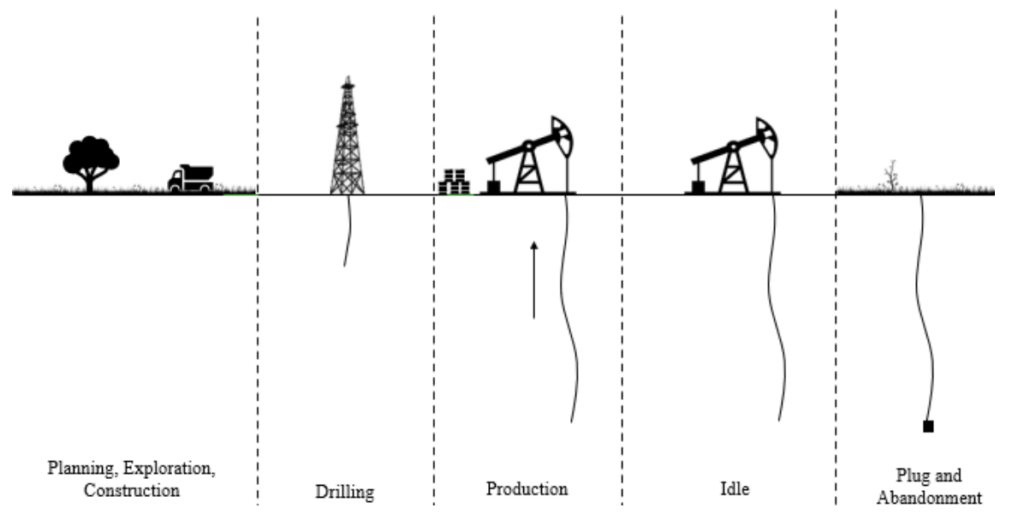
With over two million idle wells in the U.S. alone, addressing this issue is both an environmental necessity and an economic opportunity. Renewell Energy’s innovative approach seeks to repurpose idle oil wells into valuable energy assets.
The Growing Need for Energy Storage
Renewable energy sources like wind and solar are vital for reducing greenhouse gas emissions, but they are inherently intermittent. Energy storage technologies are critical to bridge the gap during periods when the wind isn’t blowing, or the sun isn’t shining. Traditional energy storage solutions, such as pumped hydroelectric systems, are effective but geographically limited.
This is where Renewell Energy’s innovation comes into play, offering a gravity-based energy storage solution that leverages existing infrastructure.
Gravity Energy Storage: How It Works
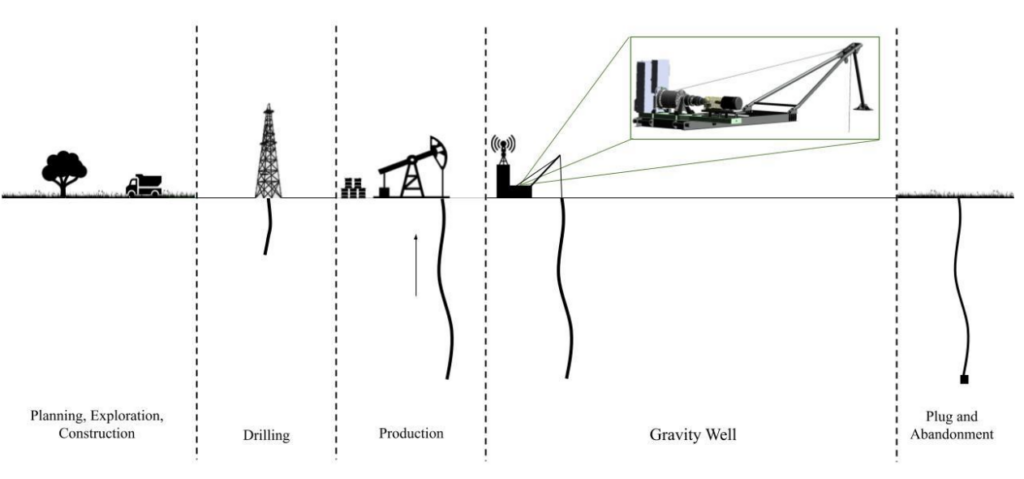
Renewell Energy’s gravity energy battery system repurposes idle wells to store and generate electricity from gravity using gravitational principles:
- A heavy weight is suspended within the well.
- When energy is needed, the weight is lowered, converting potential energy into electricity via a motor-generator system.
- Excess electricity from the grid lifts the weight back up, storing energy for future use.
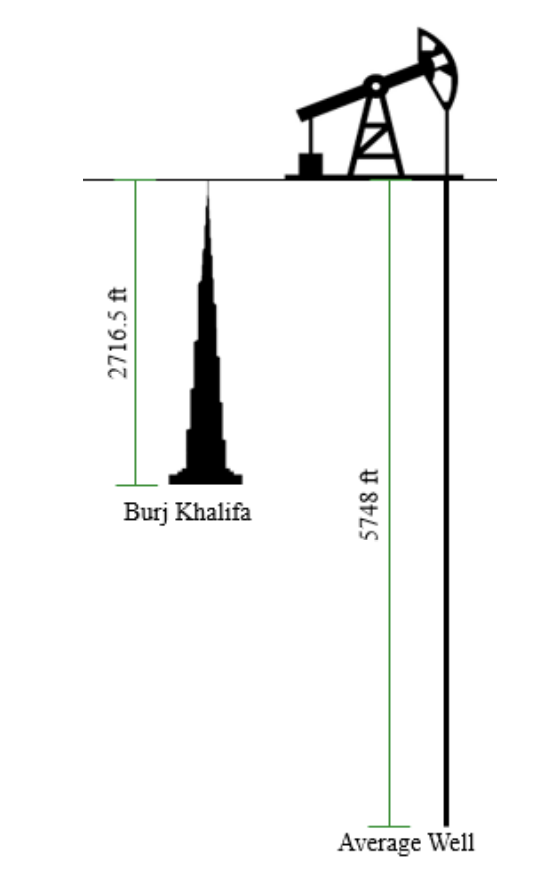
This mechanical energy storage system transforms deep wellbores—often deeper than the Burj Khalifa is tall—into powerful, long-duration energy storage systems.
The Untapped Potential of Vertical Wells
The average oil well in the U.S. offers significant vertical displacement, creating immense potential for green energy storage. With over two million idle wells dispersed across major energy markets, even repurposing idle oil wells could contribute significantly to grid stability and renewable energy adoption.
A Vision for the Future
Renewell Energy’s approach addresses two critical challenges simultaneously: cleaning up idle oil wells to reduce methane emissions and providing scalable energy storage solutions. By reimagining the end-of-life phase for oil wells, Renewell Energy is turning environmental liabilities into assets for a cleaner, more resilient energy grid.
In a future shaped by innovation, every idle well holds the promise of ending well.
This post is a primer for one of Renewell Energy’s original research papers that dives deeper into the technical hurdles, potential outputs, and overall impacts of using gravity energy storage from converted idle oil wells. To read the full white paper, click below:
Learn more about how Renewell Energy is revolutionizing energy storage and supporting a sustainable energy future.
A Closer Look.
Renewell’s “Gravity Well” technology utilizes a mechatronic energy conversion system to convert idle oil and gas wells into the lowest cost, greenest energy storage in existence. A Gravity Well charges and discharges by lifting and lowering a long cylindrical weight, which consists of used oilfield tubing or casing and high-density filling. It is suspended by wire rope in an idle well that is sealed with a cement plug before installation. An ultra-high-efficiency motor-generator converts the system’s potential energy to electrical energy for use on the grid.
Idle oil and gas wells are an ideal host for gravity energy storage due to their depth, expensive plug and abandonment (P&A), pre-existing electrical infrastructure, and current methane emissions. US wells average ~5,200ft of depth, greatly increasing (>10x vs. competitors) the storage potential of each kilogram of suspended weight. Combining this high-value storage with the high-cost, legally required P&A process offers the lowest cost energy storage available (LCOS = $63/MWh). Up to 40% of idle wells have been found to leak methane. Sealing the well during installation stops these emissions, making a Gravity Well the only energy storage technology with directly net-negative lifecycle GHG emissions.
Offering 40 to 500 kWh per well in over 1,000,000 viable US wells, this technology maximizes benefits from economies of scale.